Does induction sealing heat the product inside the container?
The electromagnetic field is intended to heat the aluminium foil, but heat can transfer into the liner, cap, container mouth and product near the neck, so filled-pack trials are important.
Heat is concentrated at the foil, but the surrounding pack is not thermally isolated.
Induction sealing generates heat in the conductive aluminium layer rather than heating the whole container directly. The hot foil and seal layer can nevertheless transfer heat into the cap, container mouth and product close to the neck. The effect depends on power, exposure time, foil area, pack material, fill level, product position and cooling after the sealing head.
For a heat-sensitive or volatile product, use the actual filled pack in a controlled trial and define the product-related acceptance check with the buyer's technical or quality team. A successful empty-bottle seal does not prove the filled application.
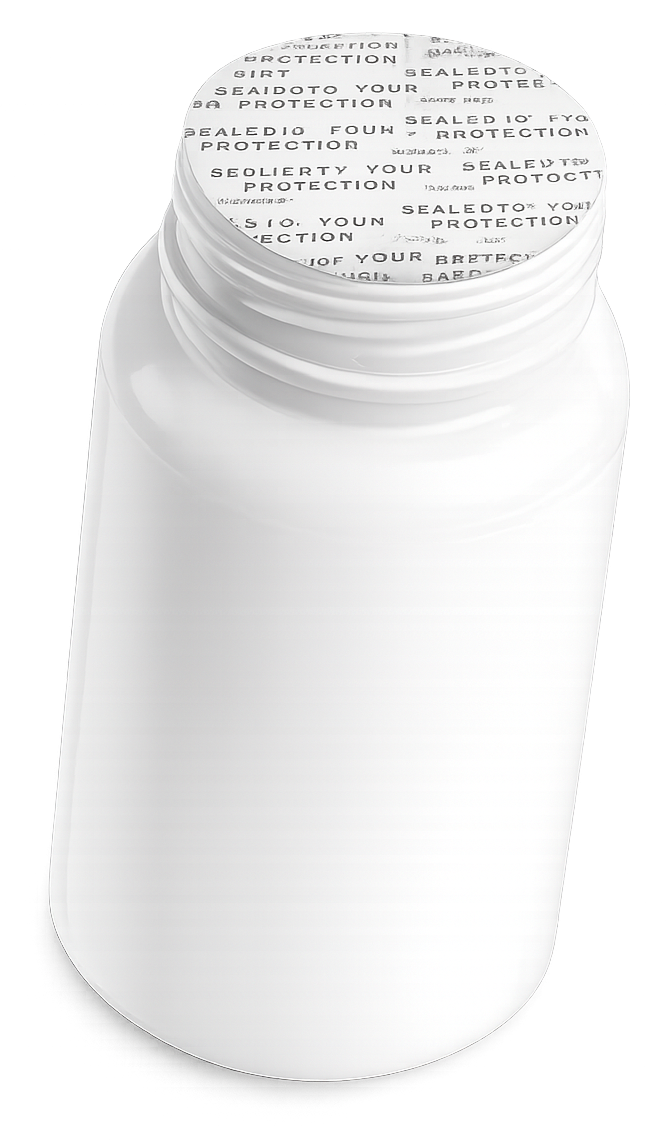
Use representative filled packs to assess product exposure.
| Factor | Why it matters |
|---|---|
| Fill level | Product close to the neck can receive more heat from the foil and container mouth than a low fill level. |
| Product on the rim | Residue can interrupt the bond and may be exposed directly to the hottest sealing area. |
| Power and exposure | The sealing window should use enough energy to create the bond without unnecessary overheating. |
| Container and cap | Material, wall section and geometry influence how heat moves away from the foil. |
| Cooling interval | Seal and product observations should be made at consistent times after sealing so results are comparable. |
| Product criteria | Appearance, odour, viscosity, pressure or another buyer-defined attribute may need review in addition to seal integrity. |
How to assess a heat-sensitive induction sealing application
- Use the production container, cap and liner with the intended fill level and product, or an agreed safe representative.
- Record the starting product and ambient conditions.
- Trial controlled power and conveyor settings within the proposed operating range.
- Observe the cap, foil, container mouth and product immediately after sealing and after a consistent cooling interval.
- Complete the buyer's seal-integrity and product-impact checks at the defined time points.
- Retain the settings and samples that establish acceptable and unacceptable boundaries.
Questions about product heat during induction sealing
Does the whole bottle become hot during induction sealing?
Not in the same way as a hot-air or oven process, because energy is intended to concentrate in the foil. Local heat can still be felt around the closure and neck, and the amount transferred depends on the pack and setting. Measure or assess the actual filled container rather than relying on a general statement.
Can heat-sensitive products be induction sealed?
Potentially, if the required seal can be achieved without an unacceptable product effect. Use representative filled samples, the intended line speed and a defined product acceptance method. The decision belongs to the pack and product trial, not to the sealer description alone.
Does fill level change heat transfer near the neck?
Yes. A high fill level can place product closer to the heated foil and container mouth, while headspace and product movement can also change during handling. Include the intended normal and credible high-fill conditions in the trial where they can affect the result.
Why should product on the rim be avoided?
Residue can prevent the heat-seal layer from making continuous contact with the container mouth. It can also be exposed to concentrated local heat and make the fault appear to be a power-setting issue. Correct the filling or handling source rather than increasing energy to force a bond through contamination.
How should product impact be assessed during trials?
Define the product attributes that matter, the observation timing and who approves the result before the trial begins. Combine those checks with visual, peel and leak evidence for the seal. Where specialist stability, safety or regulatory assessment is required, use the buyer's competent technical process rather than treating the machine trial as a substitute.
Use filled samples when product heat is part of the risk.
Send the pack, fill level, product conditions and acceptance criteria so the trial can address both seal and product behaviour.