Induction sealer specification, installation and support
Lancing UK helps buyers select the correct foil sealing configuration and integrate it into packaging lines with practical application support.
Specification
Review cap range, container height, liner compatibility, throughput and utilities before ordering.
Line integration
Position the induction sealer after capping and plan conveyor height, spacing, guarding and downstream handoff.
Aftercare
Support for setup questions, sealing checks, operator handover, spares and troubleshooting.
Project information that helps support
- Photos of the existing line
- Cap and bottle drawings or dimensions
- Sample liner specification
- Target speed and current bottleneck
- Power and site constraints
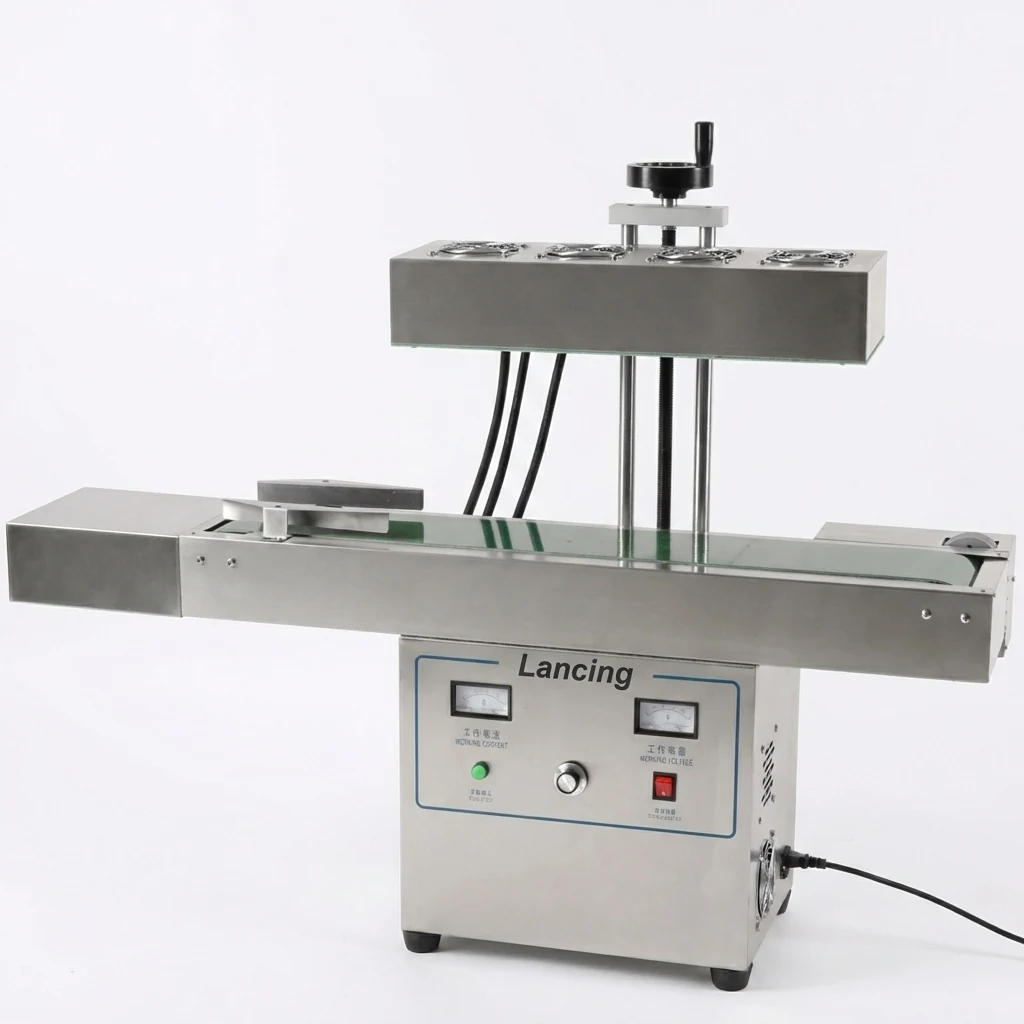
From sample review to installed induction sealing station.
Lancing UK can help turn a cap-and-liner requirement into a practical inline sealing station by confirming the pack data, machine range, layout and acceptance checks before supply.
Pack and liner review
Review cap diameter, liner construction, container material, bottle height and target output before machine selection.
Line layout and ownership
Check the hand-off from capping, available conveyor space, utilities, operator access and any downstream labelling or final packing interface.
Commissioning and record keeping
Agree practical checks such as visual inspection, peel behaviour and leak checks, then retain the settings for each accepted pack format.
Need support specifying the whole line?
For capper-specific requirements, the induction sealer should be coordinated with the capping machine and wider packaging line rather than treated as an isolated purchase.
Support should cover specification, setup records and changeover discipline.
Useful induction sealing support starts before the machine reaches site. Lancing UK can review the pack information, line position and intended output so the quotation is based on realistic sealing conditions. After installation, the same details should become setup records for operators.
For multi-SKU production, the support focus is repeatability: which cap group uses which head range, what power/speed setting was accepted and what checks should be carried out after changeover.
| Before supply | Pack review, head-range shortlist, conveyor and utility check. |
|---|---|
| During setup | Power/speed/head-height setting, cap/liner confirmation and acceptance checks. |
| After handover | Operator setup record, changeover guidance and support route for faults. |
Support the induction sealing station from specification to repeat production.
The machine, packaging components and line interfaces should be treated as one controlled process. The service scope can be defined around the buyer's existing engineering capability and required evidence.
| Stage | Useful inputs | Useful output |
|---|---|---|
| Application review | Cap, liner, container, product, output, capping and conveyor information. | Shortlist of machine/head route and open compatibility questions. |
| Sample trial | Representative filled packs and agreed visual, peel or leak checks. | Evidence of a practical sealing window and any component limitations. |
| Line engineering | Layout, conveyor dimensions, controls, detection, rejection and site utilities. | Clear interface boundary, drawings and installation assumptions. |
| FAT and commissioning | Approved samples, target conditions, test method and responsible signatories. | Recorded settings, results, punch list and accepted handover state. |
| Training and aftercare | Operator roles, SKU groups, cleaning, maintenance and escalation process. | Repeatable setup sheets, maintenance checks and fault-reporting evidence. |
Technical resources for service planning
Site preparation and utilities
Resolve line space, power, access, controls and sample responsibilities before installation.
Maintenance and setup
Build daily, changeover and planned checks around safe isolation and the supplied manual.
Line integration and rejection
Define capper, conveyor, sensor, reject and downstream control ownership.
Questions about specification, commissioning and handover support
What can Lancing review before an induction sealer site visit?
Lancing can review the pack components, photographs, drawings and line information before site activity is planned. Useful evidence includes container and cap dimensions, liner data, sample packs, current conveyor height and width, available straight length, capping method, intended speed range, utility information and the buyer's acceptance checks. Early review helps distinguish a machine-selection issue from a wider line-layout problem.
What should be recorded during commissioning?
Record the approved settings and the conditions that produced the accepted seal. A commissioning record should identify the SKU, cap and liner, container, product or test fill, cap application, head and height, power, conveyor speed, spacing, cooling interval, inspection result and any rejected boundary setting. This becomes the reference for operator training and future fault diagnosis.
Who owns cap torque and liner compatibility issues?
Ownership should be agreed across the capper, closure, liner, container and induction-sealer supply boundaries. The induction sealer cannot correct a liner that is incompatible with the container or a cap that is applied inconsistently. Lancing can help define the evidence needed at the sealing station, while the relevant component supplier and capping process remain responsible for their specified performance.
Can an existing packaging line be assessed for induction sealing?
Yes, provided the assessment covers the physical layout and the operating sequence. Check the position after capping, conveyor stability, bottle centring, head clearance, line stops, backups, guarding, ventilation, controls, inspection and access for adjustment. The line-integration guide provides the questions to answer before a final site scope is agreed.
Service support is strongest when the accepted setup is documented.
Induction sealer support is easier when the project has clear records of the approved cap, liner, container, head, power, speed and inspection method. Those records help operators return to a known setting after changeover and give Lancing a better starting point if seal quality changes later.
For new installations, agree whether support includes sample trials, FAT, site acceptance, training, operator setup sheets, spare-parts advice and follow-up checks. For existing machines, share the current setup record and examples of good and failed packs so troubleshooting can focus on the likely cause.
Bring the right evidence before installation and commissioning.
Lancing can support machine selection more effectively when the project includes the conditions that usually create later faults: cap geometry, liner supplier, line speed, inspection requirement, distribution risk and any chemical-product constraints.
Samples for trials
Group the cap, liner and container formats before a sealing-window check.
Inspection scope
Decide what should happen when a fault is detected.
Transit validation
Match acceptance checks to the leakage complaint or distribution route.
Chemical checks
Bring SDS and site-risk information where the product may create a hazard.