Flammable and chemical product checks before induction sealing
A standard induction sealer should not be assumed suitable for flammable, solvent or hazardous chemical applications until the site risk has been assessed.
Confirm the product and area classification before selecting the machine.
For flammable, solvent-based or hazardous chemical products, induction sealing suitability depends on the site risk assessment, product SDS, vapour or dust hazard, ventilation, container handling and whether the equipment is appropriate for the classified area. Do not assume that a standard inline induction sealer is suitable simply because the container can accept a foil liner.
The packaging trial should separate two questions: whether the cap, liner and container can form a reliable seal, and whether the proposed machine and installation are safe for the actual production environment.
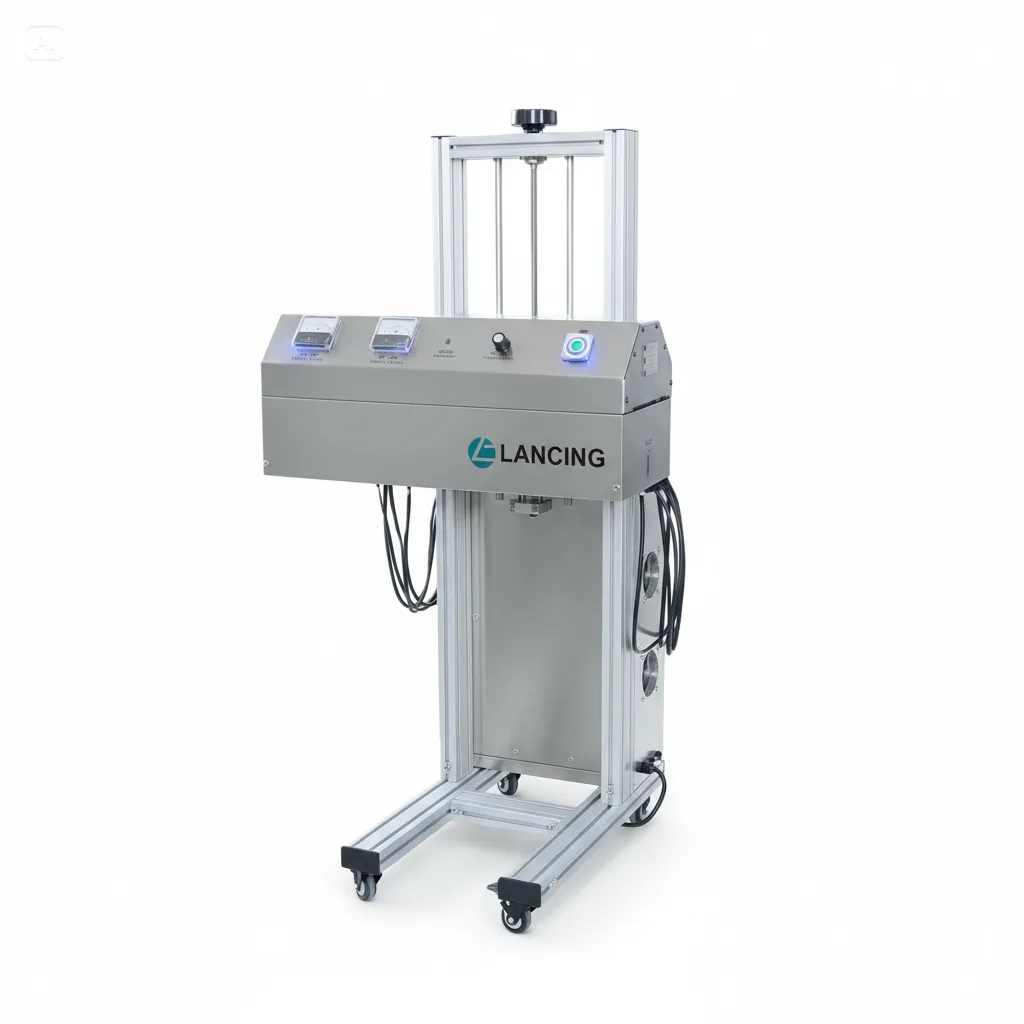
Use the chemical risk information before machine selection.
This page gives selection questions only. Final suitability depends on a competent site-specific assessment and the quoted machine configuration.
| Check | Why it matters | Information to provide |
|---|---|---|
| Safety data sheet | Identifies flammability, vapour, dust or handling hazards that may affect equipment choice and trial method. | Current SDS, flash point information where applicable and product temperature during filling/sealing. |
| Area classification | Electrical equipment may need to be selected for the actual zone or located outside it. | Site DSEAR assessment, hazardous-area drawings or confirmation that no classified area applies. |
| Container and closure system | Chemical compatibility can affect liner selection, cap torque and long-term leakage behaviour. | Container material, liner datasheet, cap samples, filled product and storage conditions. |
| Ventilation and line layout | Vapours, heat, guarding, operator access and line stops all affect practical installation. | Filler/capper position, extraction/ventilation details, conveyor layout and downstream packing route. |
Questions to answer before a chemical-product trial
- Is the product flammable, solvent-based, dusty, corrosive or otherwise hazardous under the site process conditions?
- Can samples be trialled safely with the real product, or is an agreed representative fill required first?
- Does the cap liner supplier confirm compatibility with the chemical and container material?
- Is the closure torque repeatable and suitable for the liner while the pack cools?
- Will the line need missing-foil detection, reject handling, extraction or a special stop response?
- Which checks will prove acceptance: visual, peel, leak, storage, inversion or retained samples?
Regulatory and safety references
HSE guidance explains that DSEAR covers dangerous substances that can create fire and explosion risks, including relevant liquids, vapours and dusts. HSE explosive-atmosphere guidance also describes how ignition sources and electrical equipment need to be managed where explosive atmospheres may arise.
Buyer questions about flammable or chemical products
Can a standard induction sealer be used for flammable products?
It should not be assumed. The correct answer depends on the SDS, process conditions, vapour or dust hazard, area classification and proposed installation. A standard machine may be unsuitable in a classified area unless the risk assessment and equipment selection support it.
Does induction sealing heat the chemical product?
The induction field is intended to heat the foil liner, not the bulk product, but the pack and product conditions still matter. Filled samples should be checked where temperature, volatility, pressure, headspace or product residue could affect safety or seal behaviour.
What samples are needed for chemical product induction sealing?
Provide the actual cap, liner, container and SDS, plus filled samples where safe and appropriate. If live-product trials need extra controls, start with a representative safe fill and then agree how real-product evidence will be collected.
What if the product needs venting?
If the product can generate gas, pressure or paneling, a fully sealed foil may not be the right packaging route without further assessment. Review the product behaviour and closure design before increasing seal strength as the default answer.
Related chemical-packaging guidance
Need to review a chemical-product sealing application?
Send the SDS, container, cap, liner and site conditions so Lancing can advise what can be checked before a formal quotation.