How should a contract packer specify an induction sealer?
A contract packer should specify the machine from the complete customer-format envelope and control each cap, liner and container combination as a separate approved setup.
Build the specification from a format matrix, not one customer's sample.
A contract packer should group every intended job by cap diameter and profile, liner construction, container material, bottle height, capping method, target speed and acceptance test. The machine and sealing head are then selected against the complete envelope, with separate approved settings for each pack combination. One successful SKU cannot prove the rest of the range.
Frequent changeovers make identification and record keeping as important as machine capacity. Caps and liners that look similar should remain traceable by supplier and specification so an operator does not load the wrong component under an established recipe.
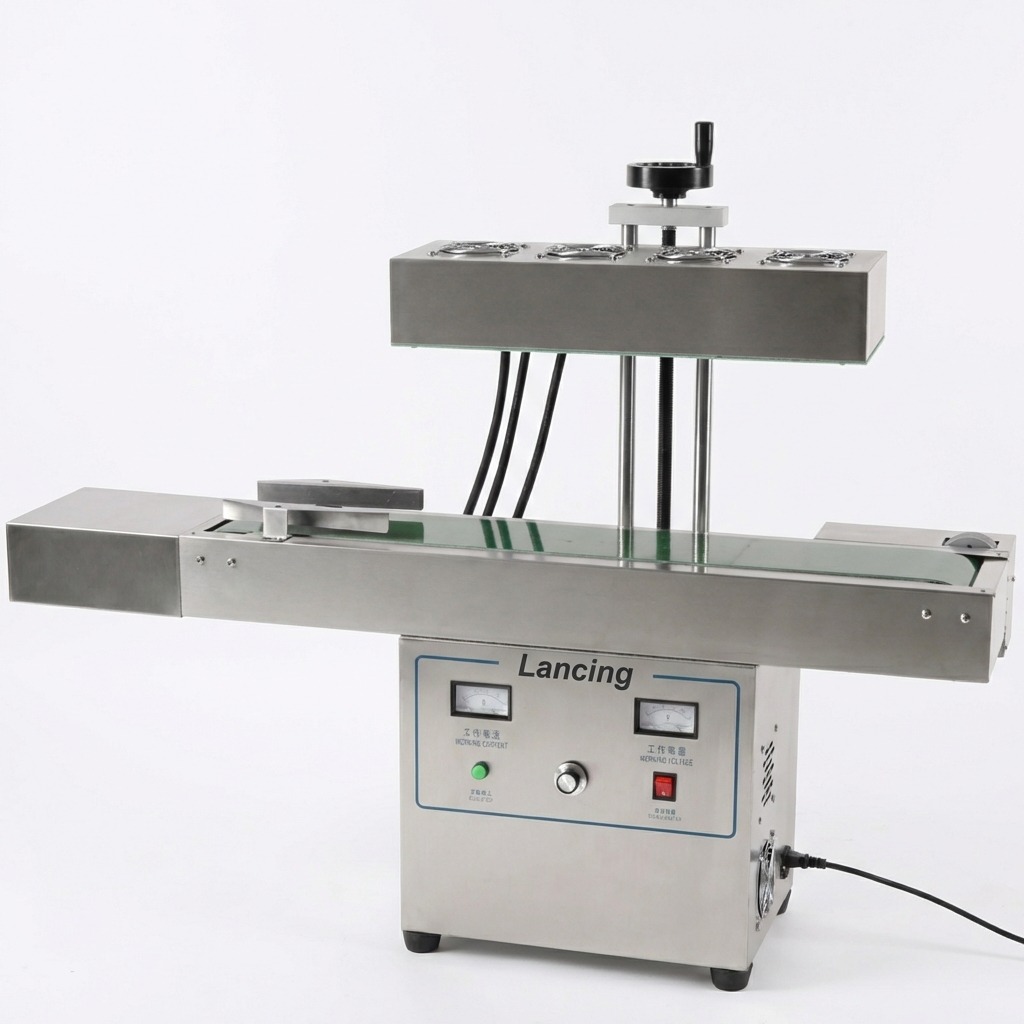
Control the variables that can change between customer jobs.
| Job field | Record for each SKU |
|---|---|
| Packaging components | Container material and mouth, cap supplier and profile, liner supplier, construction and batch identification. |
| Machine setup | Sealing head, head height, power, conveyor speed, guide position and bottle spacing. |
| Upstream control | Capping method, application check, fill level and rim-cleanliness control. |
| Acceptance evidence | Cooling interval, visual check, peel method, leak method, retained samples and sign-off responsibility. |
| Change trigger | State which component, supplier or process changes require the sealing window to be reviewed. |
Use a repeatable release check before the next packing job runs
- Verify the cap, liner and container against the job record before loading components.
- Fit or adjust the approved sealing head and guides, then set the recorded head height.
- Load the approved power and conveyor setting and confirm the upstream cap application.
- Run controlled start-up samples and allow the documented cooling interval.
- Complete the specified visual, peel or leak checks and retain the required evidence.
- Release production only when the job-specific acceptance criteria are met.
Questions contract packers ask about induction sealing
Can one machine run several customers' caps and liners?
Yes, when the combined range is within the selected machine and head capability and every combination has a validated setup. Treat customer formats as separate controlled applications even when the cap diameters are similar, because liner chemistry, container material and acceptance criteria can differ.
When does a second sealing head reduce changeover risk?
A second head can help when two format groups need materially different field geometry or when a dedicated setup is easier to verify than a broad compromise. Use trial evidence and changeover frequency to decide. The head-selection guide provides the decision inputs.
What should be checked after every SKU change?
Verify components, cap application, head and guide settings, power, speed, bottle centring and the agreed seal checks. A changeover is not complete when the machine starts; it is complete when the first controlled samples meet the job-specific acceptance method.
Can a foil detector confirm seal quality for each customer?
No. A foil detector may identify the presence or absence of a detectable foil component, but it does not prove bond continuity, cap pressure or leak performance. Keep the customer's peel or leak acceptance method separate from presence detection.
What information should be recorded for each packing job?
Record the exact packaging components, machine and line settings, sample condition, cooling interval, test method, results and release approval. Include component supplier or batch changes that could explain a future fault. The setup-sheet guide provides a practical structure.
Send a format matrix for the customers the machine must serve.
Lancing can identify the boundary packs, head options and trial evidence needed for a multi-SKU line.