Induction sealing for ecommerce and transit leak control
Specify and test the foil seal against the real distribution risk: inverted packs, side loading, temperature change, vibration and product behaviour.
Transit leak control needs a test that matches the complaint risk.
Induction sealing can help reduce leakage in ecommerce, courier and retail distribution when the cap, liner and container are compatible and the seal is tested against the actual transit conditions. A pack that passes an upright bench check may still fail when inverted, squeezed, heated, cooled, vibrated or stored on its side.
Use the induction sealer as part of the closure system. Cap torque, liner grade, product residue, bottle wall stiffness, headspace, storage temperature and elapsed time after sealing can all affect the final result.
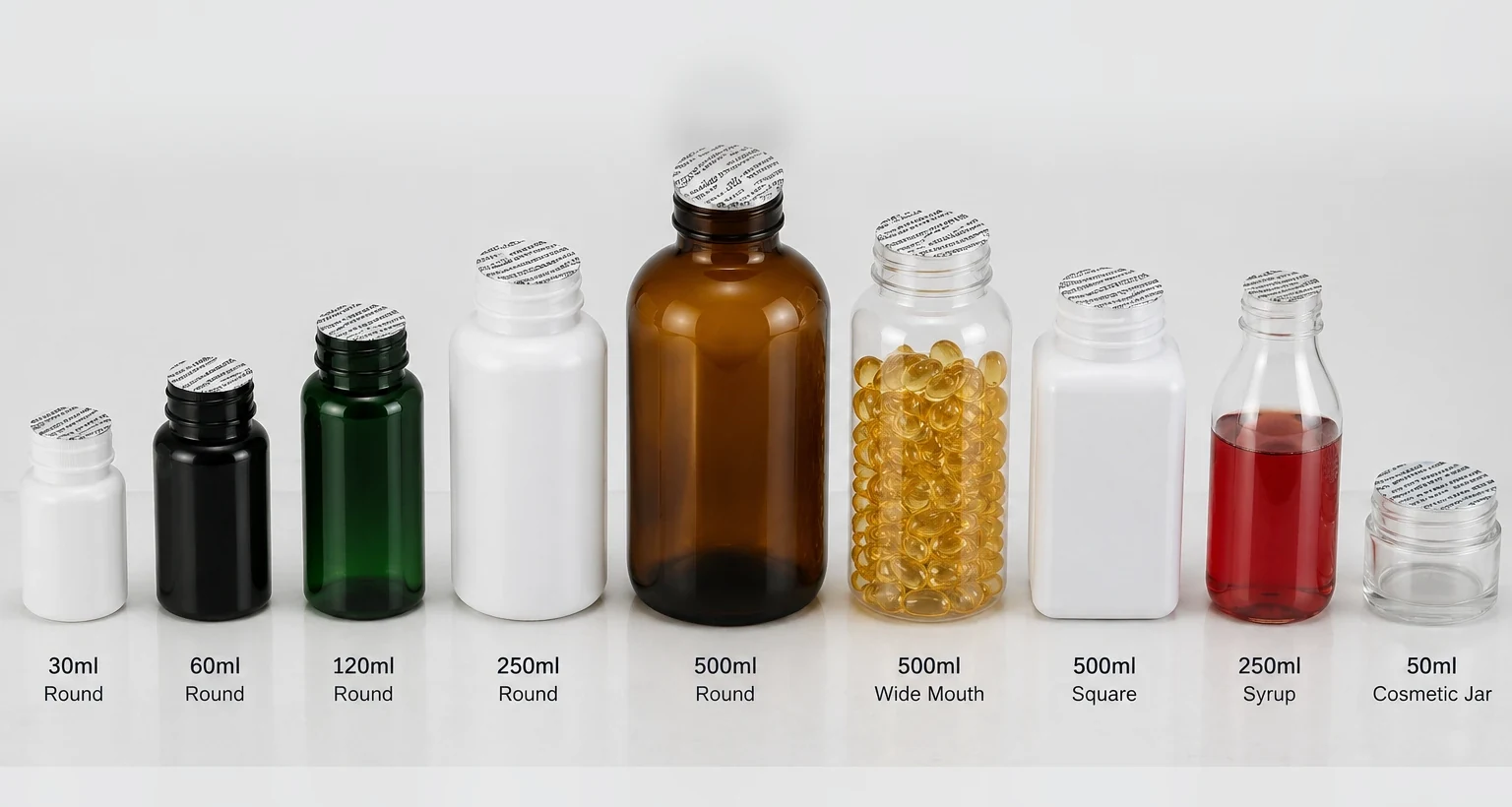
Test the pack in the conditions that create the real failure mode.
The goal is not to make every seal as aggressive as possible; it is to produce a repeatable seal that suits the product and distribution route.
| Transit risk | Practical check | Why it matters |
|---|---|---|
| Inverted or side storage | Hold sealed packs in the likely complaint orientation after a consistent cooling interval. | Shows whether the closure system resists leakage away from upright storage. |
| Vibration or handling | Use a site-approved vibration, handling or movement check where distribution damage is the issue. | Helps separate weak sealing from cap loosening, container damage or rough handling. |
| Temperature change | Check the pack after expected warm/cold storage or transport exposure where relevant. | Some products, headspace and containers behave differently as temperature changes. |
| Product residue | Trial filled packs and deliberately review mouth contamination risk. | Residue can interfere with the heat-seal layer and create a channel. |
Information to supply for a transit-focused induction sealing enquiry
- Product type, viscosity and whether it can wet or contaminate the rim.
- Container material, neck finish, cap style and liner specification.
- Filled volume, headspace and any temperature change before packing.
- Known leakage complaint: upright, inverted, side, courier, pallet or ecommerce pack.
- Current capping method and whether torque is consistent.
- Target output, bottle spacing and where the sealer fits before labelling, coding or packing.
Buyer questions about ecommerce and transit leak control
Does induction sealing guarantee no leaks in courier shipping?
No sealing method can be treated as a universal guarantee for every courier or transit condition. Induction sealing can materially support leak resistance when the liner, cap, container and sealing window are correct, but the finished pack should be tested against the actual distribution route.
What is the best leak test for an induction-sealed bottle?
The best leak test is the one that represents the real failure risk. For ecommerce this may include inversion, side storage, controlled squeeze, temperature exposure, vibration or retained samples. The same test method should be used when comparing power and speed settings.
Can an induction seal be too strong?
Yes, a seal can become difficult to peel or damage the container mouth if the pack is overheated or the liner is unsuitable. Define the required peel behaviour as well as leakage control, especially for consumer-facing products where opening experience matters.
Should leak testing use filled packs?
Use filled packs wherever product behaviour can affect the result. Oils, solvents, surfactants, acids, powders and viscous products can create different rim conditions from water or empty-container trials. The safest evidence uses the real product or an agreed representative test fill.
Trying to reduce leakage in transit?
Send the current pack, closure, liner and leakage condition so Lancing can advise what needs testing before quotation.